
We All Live Downstream: Protecting the Whittlesey Creek Headwaters
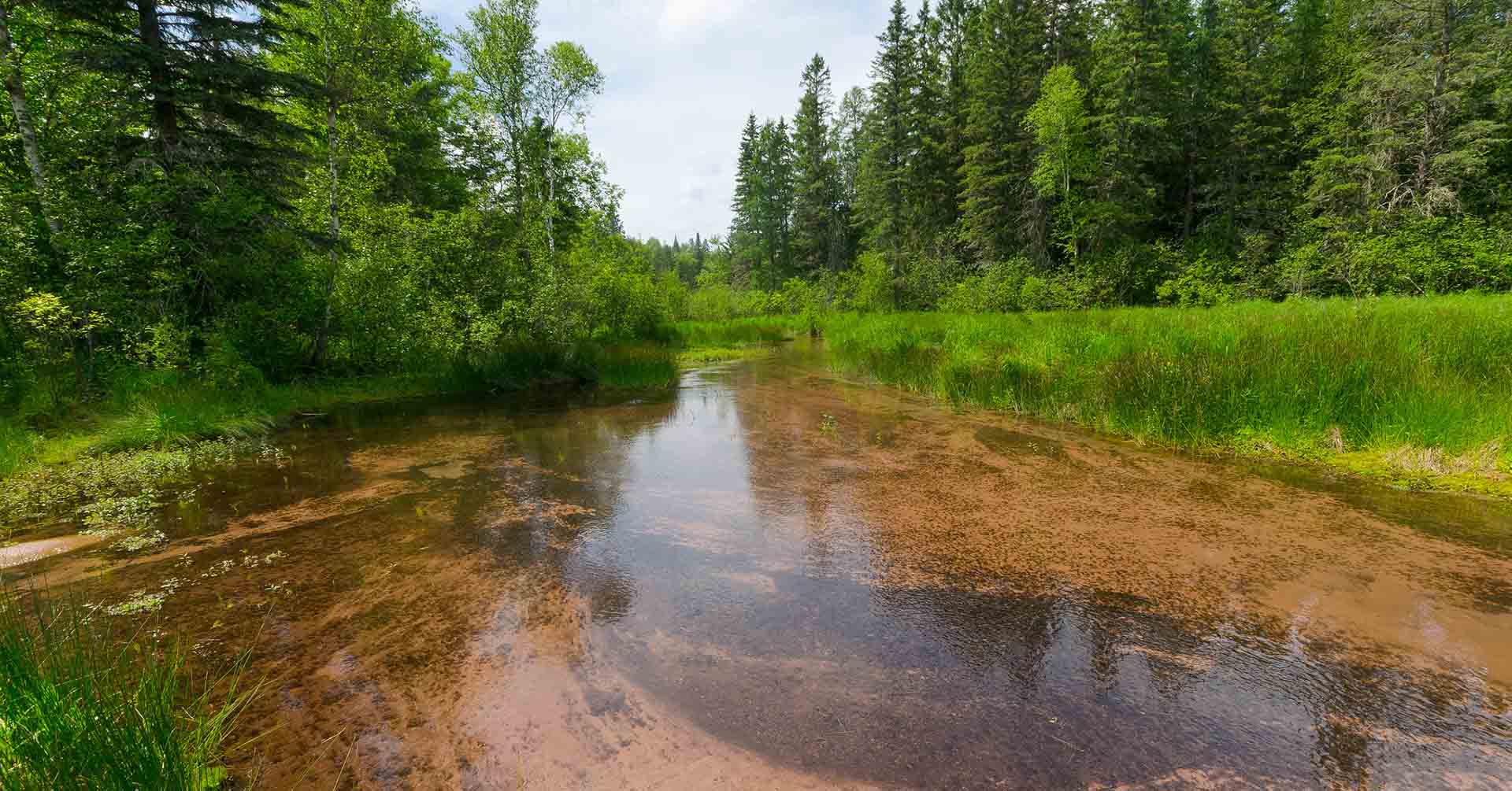
Protecting the Whittlesey Creek headwaters is important for water quality downstream. Photo credit: Joshua Mayer
People who study water say, “We all live downstream.” Watersheds connect people, animals, plants, and ecosystems, and water pollution adversely affects life downriver. When we can protect the upper reaches of a watershed or river system, everything benefits down the line.
Landmark Conservancy is excited to announce the permanent protection of the Whittlesey Creek Headwaters, a 160-acre property between Ashland and Washburn on the Bayfield Peninsula.
Whittlesey Creek is one of Lake Superior’s south shore tributaries with the Whittlesey Creek National Wildlife Refuge near its confluence.
“Protecting land in this watershed has long been a priority of multiple conservation organizations. By keeping the headwaters in a natural condition, we are making a positive impact on water quality in terms of filtering water and slowing the flow of water downstream. Our project complements the work that U.S. Fish and Wildlife Service refuge staff continues to do in partnership with landowners to restore and protect coastal wetland habitat, improve water quality for trout, and manage forest land,” said Erika Lang, Conservation Manager for Landmark Conservancy.
The property is on North Fork Whittlesey Creek, a key tributary to Whittlesey Creek, and contains over a half mile of stream frontage, springs, stands of conifer and deciduous trees, and a large wetland. Protection of this land helps keep downstream habitat and spawning grounds healthier for north coaster brook trout.
The coaster brook trout fishery declined during the 1880s due to over-harvest, and subsequent habitat damage including heavy logging and draining of wetlands. Watershed rehabilitation and protection of tributary habitat are key aspects of recovery efforts for brook trout, and land acquisition along stream banks is an important strategy.
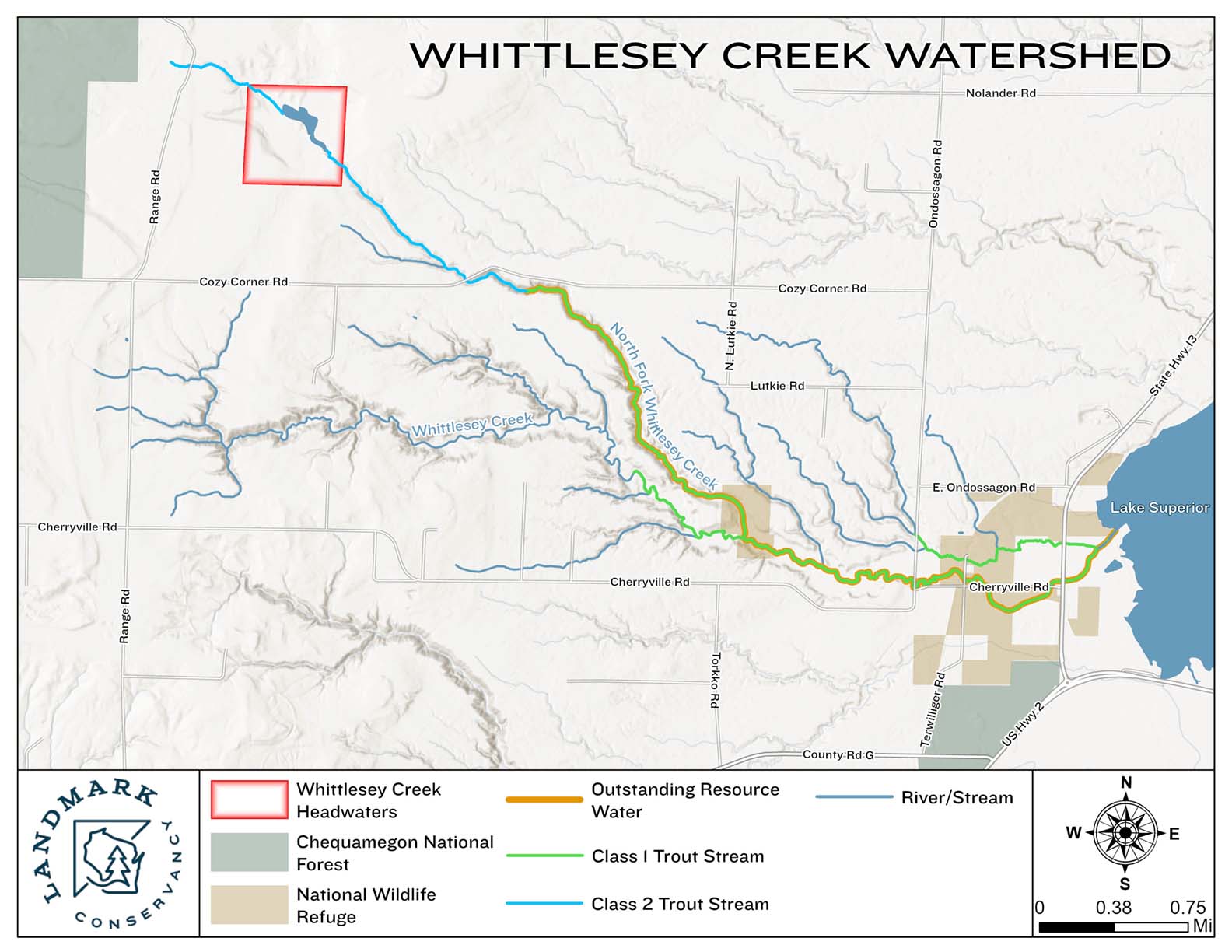
Click image to enlarge.
The property is in the Mississippi Flyway and in a Tier 1 Migratory Bird stopover area, providing habitat and feeding grounds for a variety of migratory and breeding bird species. Forested corridors on waterways just inland of Lake Superior are especially important for Neotropical migrants as they use them for resting, refueling, and staging.
For decades, the land was owned by the Jauquet family. Joseph Jauquet was a well-known doctor in Ashland and Northland College Trustee. He and his son, Joe Jauquet, Jr., enjoyed hunting, fishing, and watching wildlife on the land. A longtime interest in preserving the property in its natural condition led to the decision to seek permanent protection through Landmark Conservancy.
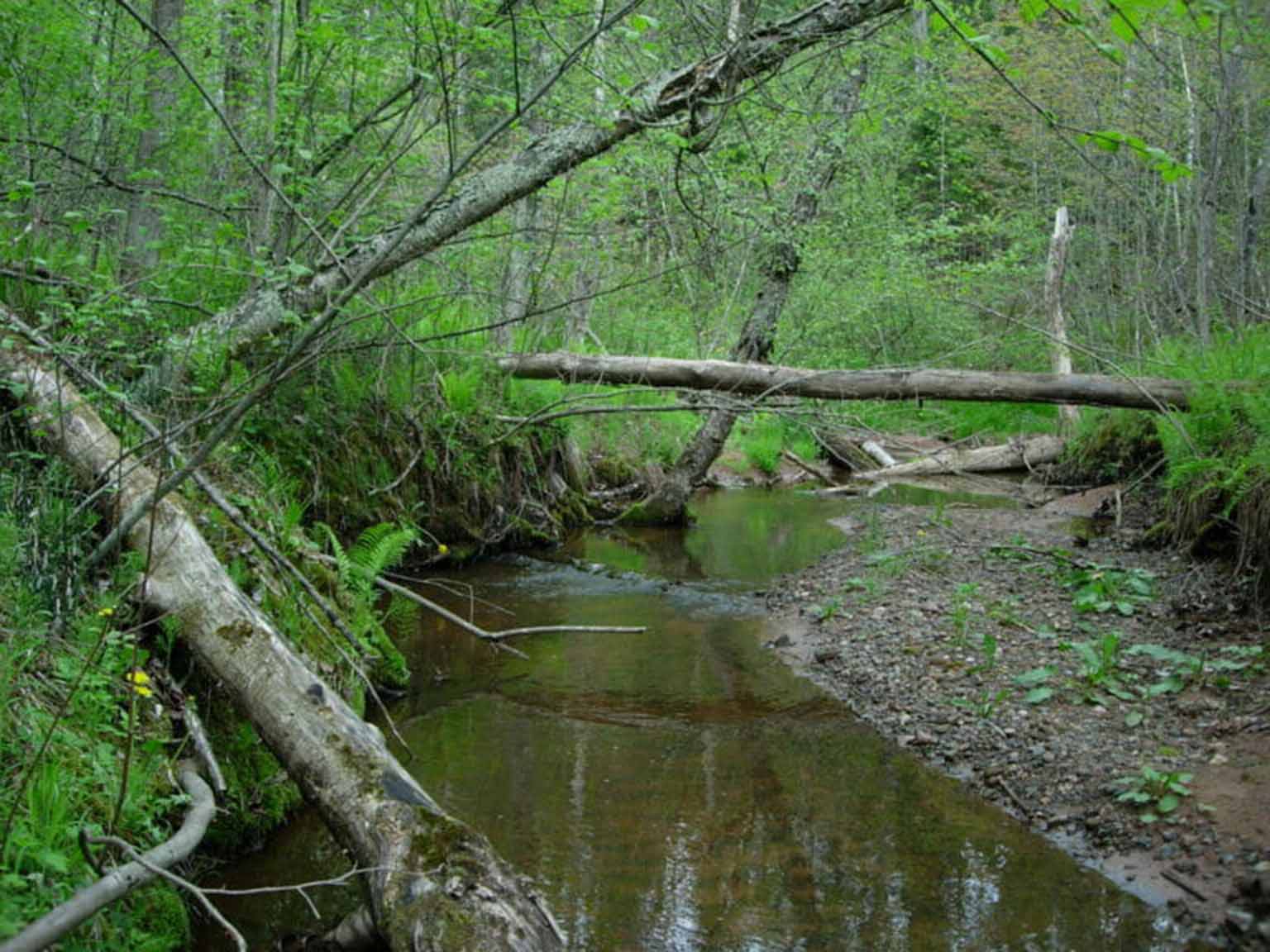
Placement of large woody debris is helping Whittlesey Creek recover from damage created by logging more than 100 years ago. Photo credit: U.S. Fish and Wildlife Service
Upon purchasing the property, Landmark transferred ownership to Bayfield County. According to County forester Mike Amman, “the County will manage the forest with an eye towards establishing more conifer trees while also encouraging species and habitat diversity. We want to make sure our activities positively impact the wetland complex as well.”
As the property is now open to the public, it “also offers a rustic experience for hardy hikers, hunters, and anglers.”
Permanent land protection through land purchase works best when it provides multiple community benefits. “As public dollars are limited, projects like the Whittlesey Creek Headwaters that offer recreation opportunities, enhance watershed health, and provide wildlife habitat make more successful cases for funding, shared Rick Remington, Landmark’s Executive Director. “For this project, Landmark secured funds from Wisconsin’s Knowles-Nelson Stewardship Program and Wisconsin’s Coastal Management Program, with staff time supported by the U.S. Fish and Wildlife Service’s Coastal Program.”
Remington added that while the Stewardship program has been funded at $33 million annually in recent years, state lawmakers have not been able to agree on terms for reauthorization, and the program is set to expire in June 2026. Established in 1989, this program has funded the acquisition of conservation lands as well as the development and maintenance of outdoor recreational infrastructure throughout Wisconsin.