Protecting a Beloved Driftless Landscape – 300 acres permanently protected in Buffalo County
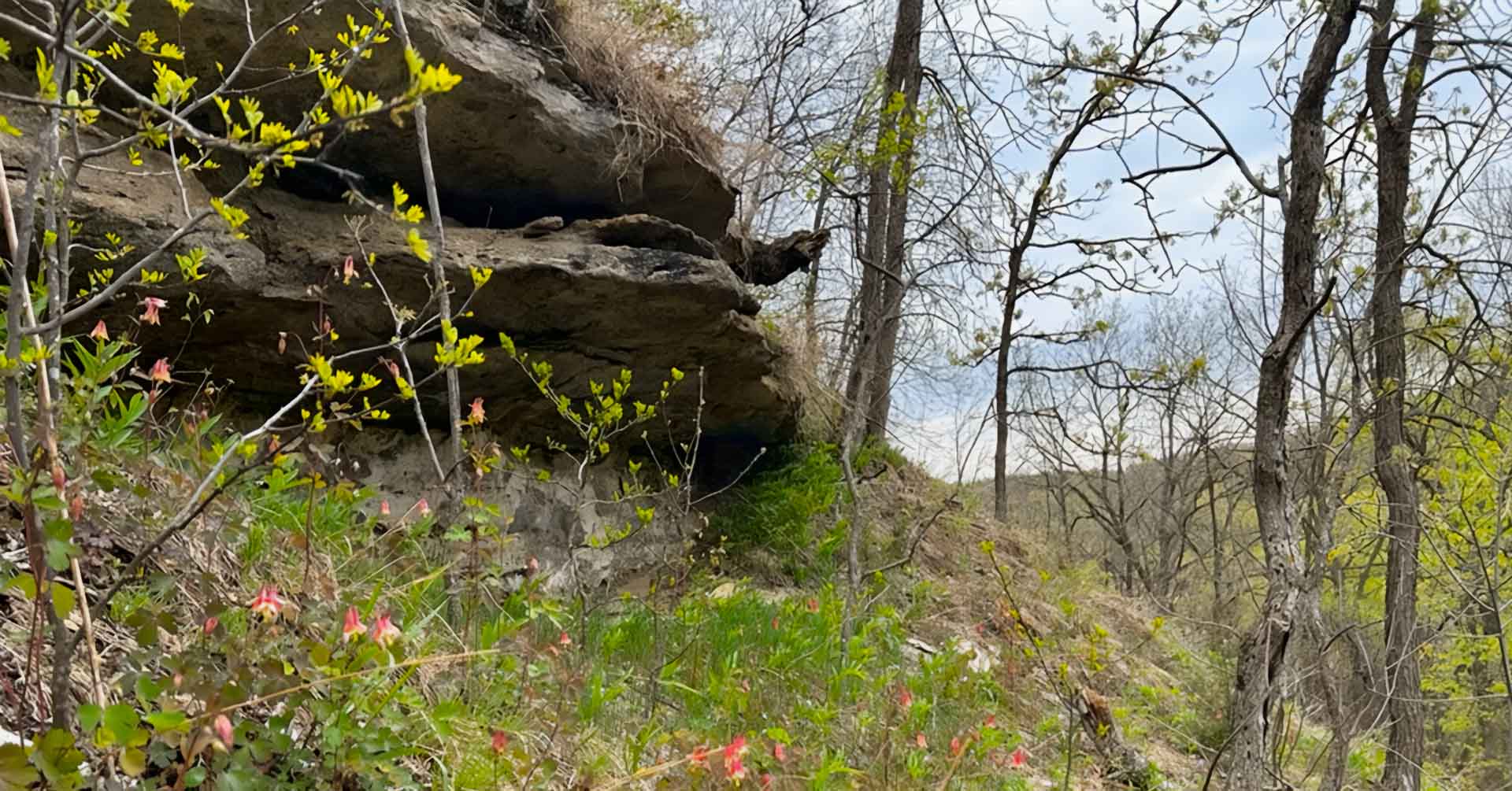
“Goat Prairie” or dry prairie is an example of niche habitat present on the south and southwest-facing sides of steep bluffs.
Jon Belisle and his late wife Metta purchased 300 acres in Buffalo County in the early 1980s, and he has an album filled with pictures that document their deep care for the land. During a recent visit, Jon reminisced about planting trees and gardening on the property, which served as a weekend retreat from the Twin Cities. A longtime friend of conservation, Jon had spoken with Landmark Conservancy staff many times over the years about protecting this land, and he recently decided the time was right.
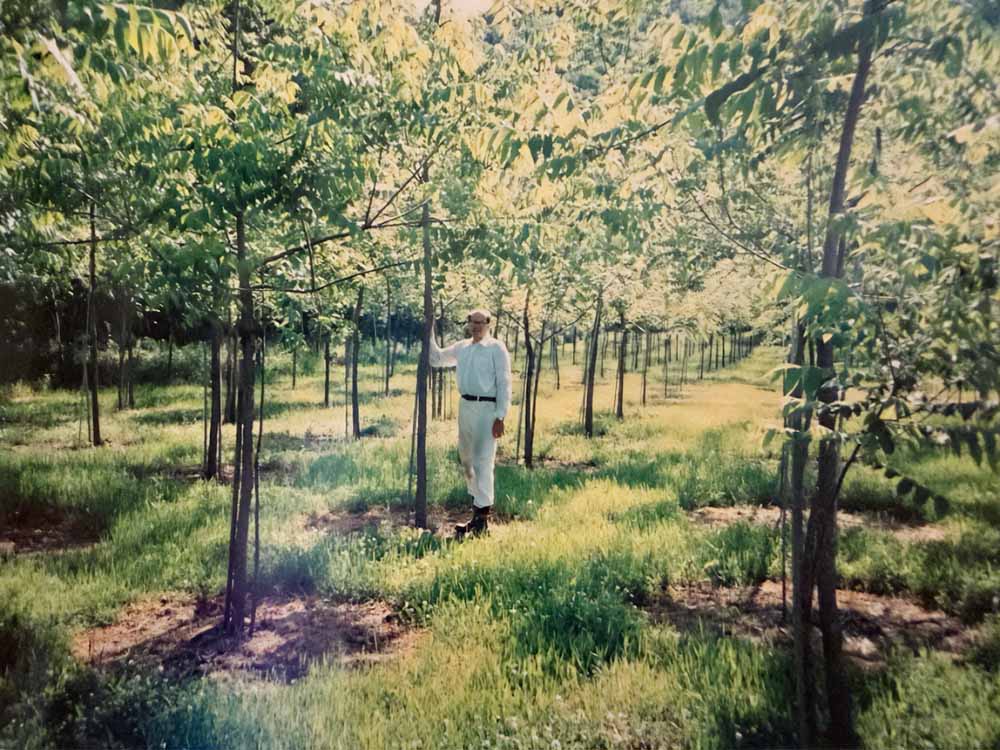
Jon stands in the black walnut grove he planted on the property.
“At the end of the day, if you can take a photo of what you’ve done, you’ve done something.”
~ Jon Belisle
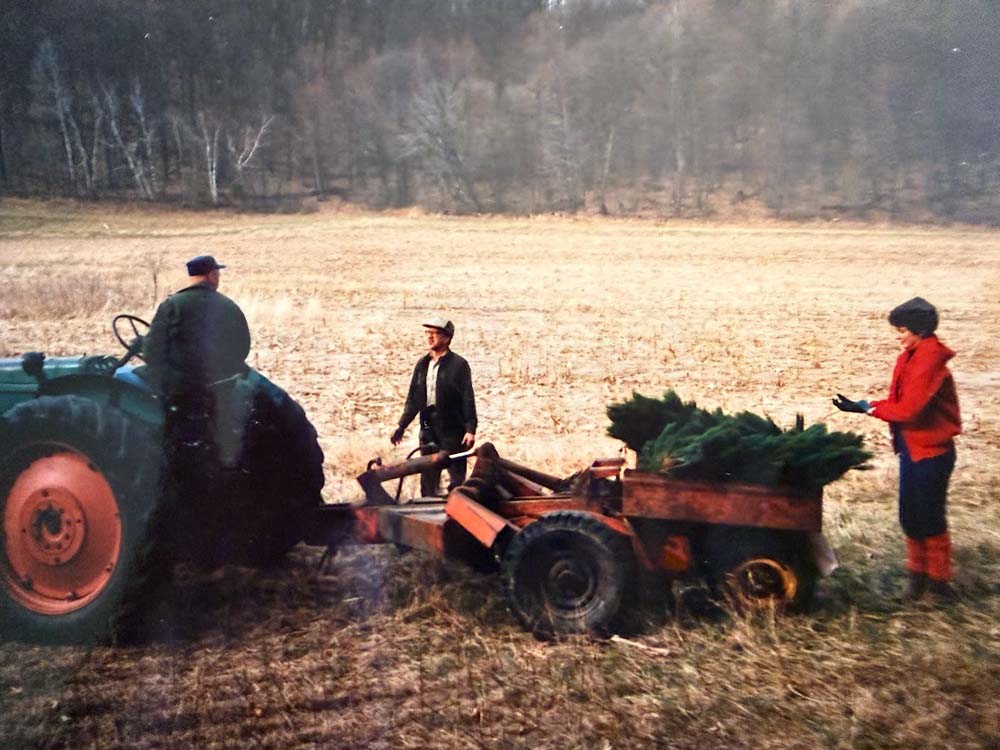
Jon and Metta planted pines with assistance from DNR.
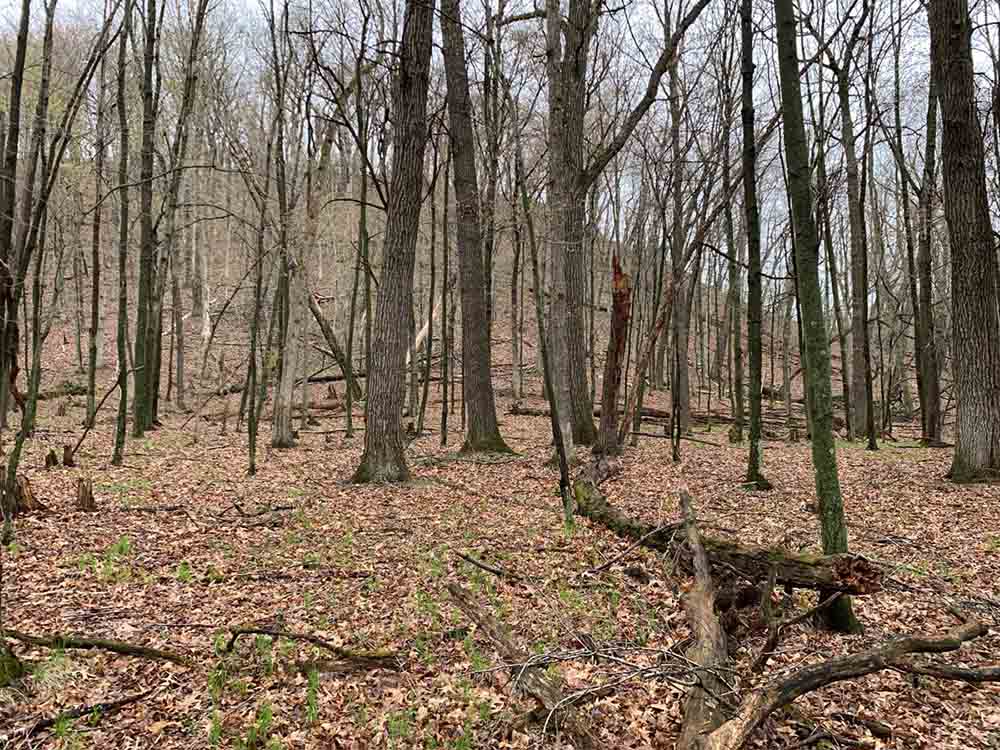
Spring Creek Valley
Changes in slope, elevation and aspect create many microclimates, or small areas with distinct temperature, moisture, and sunlight conditions. It is these uniquely different habitats that contribute to the area’s rich biodiversity. An example of a niche habitat is the dry prairie or “goat prairie” present on the south and southwest-facing sides of steep bluffs. These grassy, rocky openings harbor a distinctly different plant and insect community than the surrounding forest and are unique to the Driftless Area.
The land lies in the rugged landscape of the Driftless Area. Unlike surrounding regions of the Upper Midwest, the Driftless escaped the flattening effects of the last glaciers, a history which drives its remarkable ecological richness. Steep, forested hills flank the narrow creek valley as it drains the property eastward towards the Lower Chippewa River.
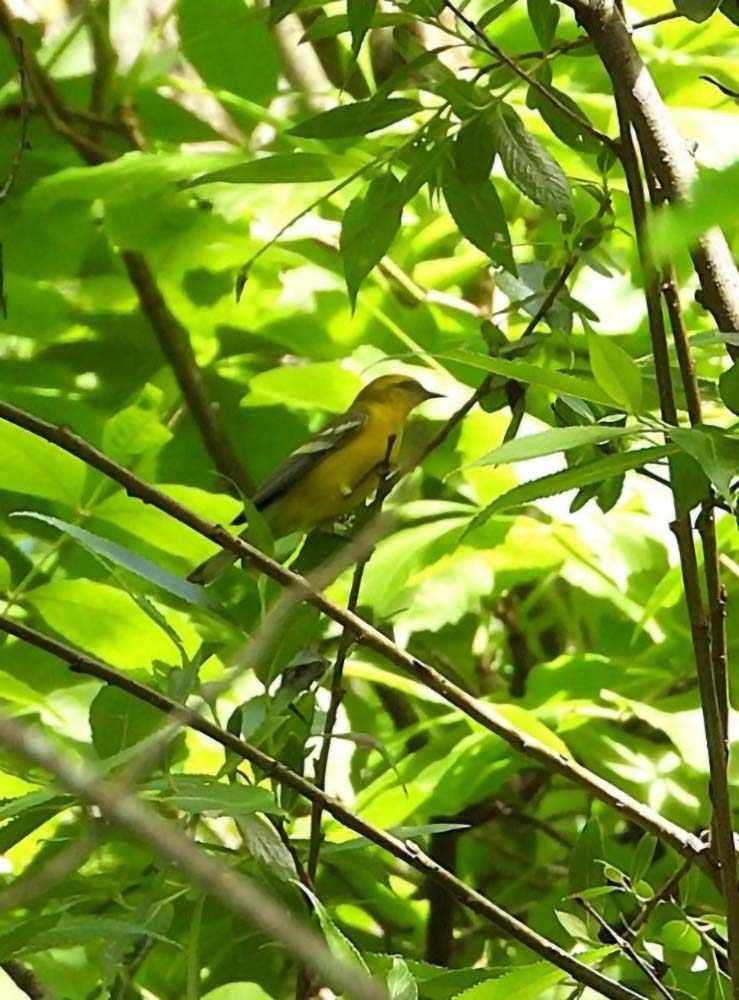
Blue-winged Warbler – Photo credit: Tom Andersen
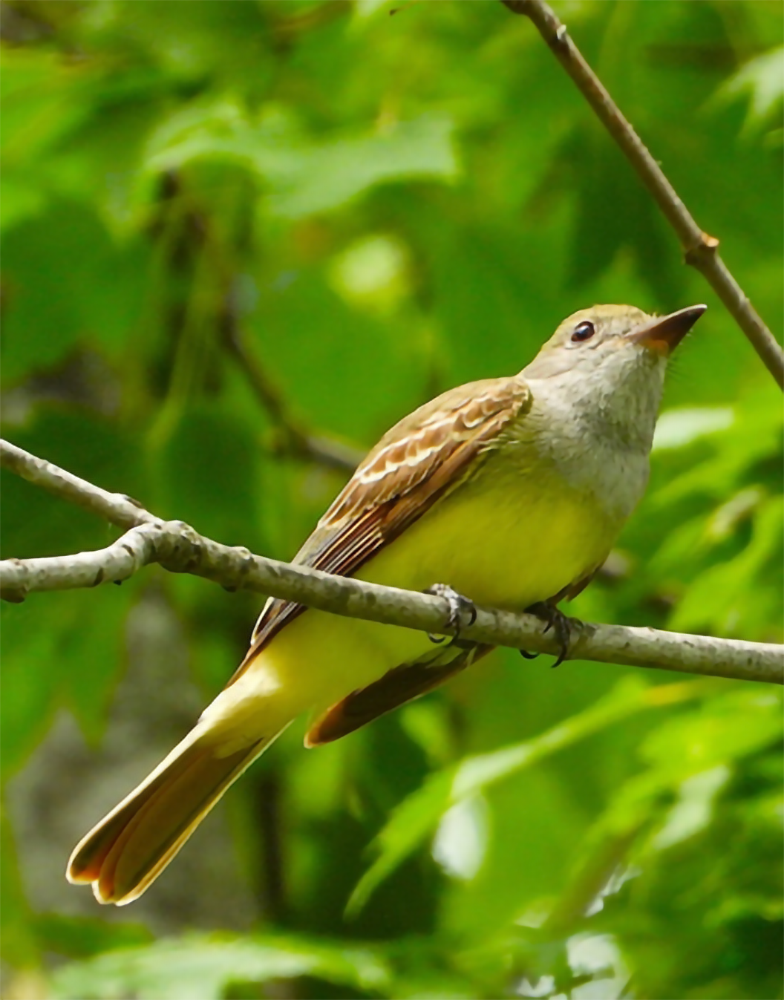
Great Crested Flycatcher – Photo credit: Tom Andersen
The protected property is part of a corridor of forested hills, prairies and wetlands which form the Lower Chippewa River Important Bird Area. The property is particularly important for raptors and warblers that travel and nest along the river corridor. The permanent protection of properties like this are critical for both migratory and resident birds to find the habitat they need to rest, nest, incubate eggs and raise their chicks. Some include the Blue-winged Warbler, Great Crested Flycatcher, and Ovenbird.
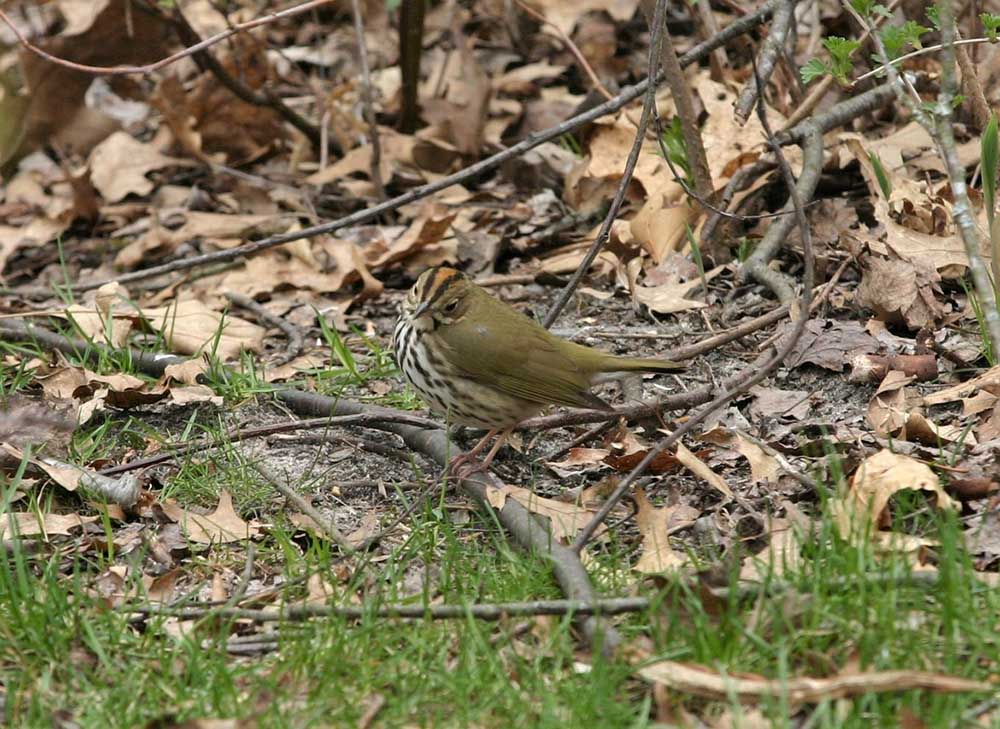
Ovenbird – Photo credit: Tom Andersen
When asked about the greatest change he’s seen on the land during his ownership, Jon lamented the declining number of songbirds and loss of insects. “You’re not going to have frogs if you kill their food supply,” he said.
“The importance of permanently protecting this property – and other lands like it – cannot be overstated,” said executive director Rick Remington. “This Conservation Easement will ensure that Jon and Metta’s many thoughtful years of stewardship were not in vain, and that the land’s important contribution to our region’s natural history will continue.”