
Tom’s ‘Big Year’ – Fall Edition
Contributed by Tom Andersen, Landmark Board Member
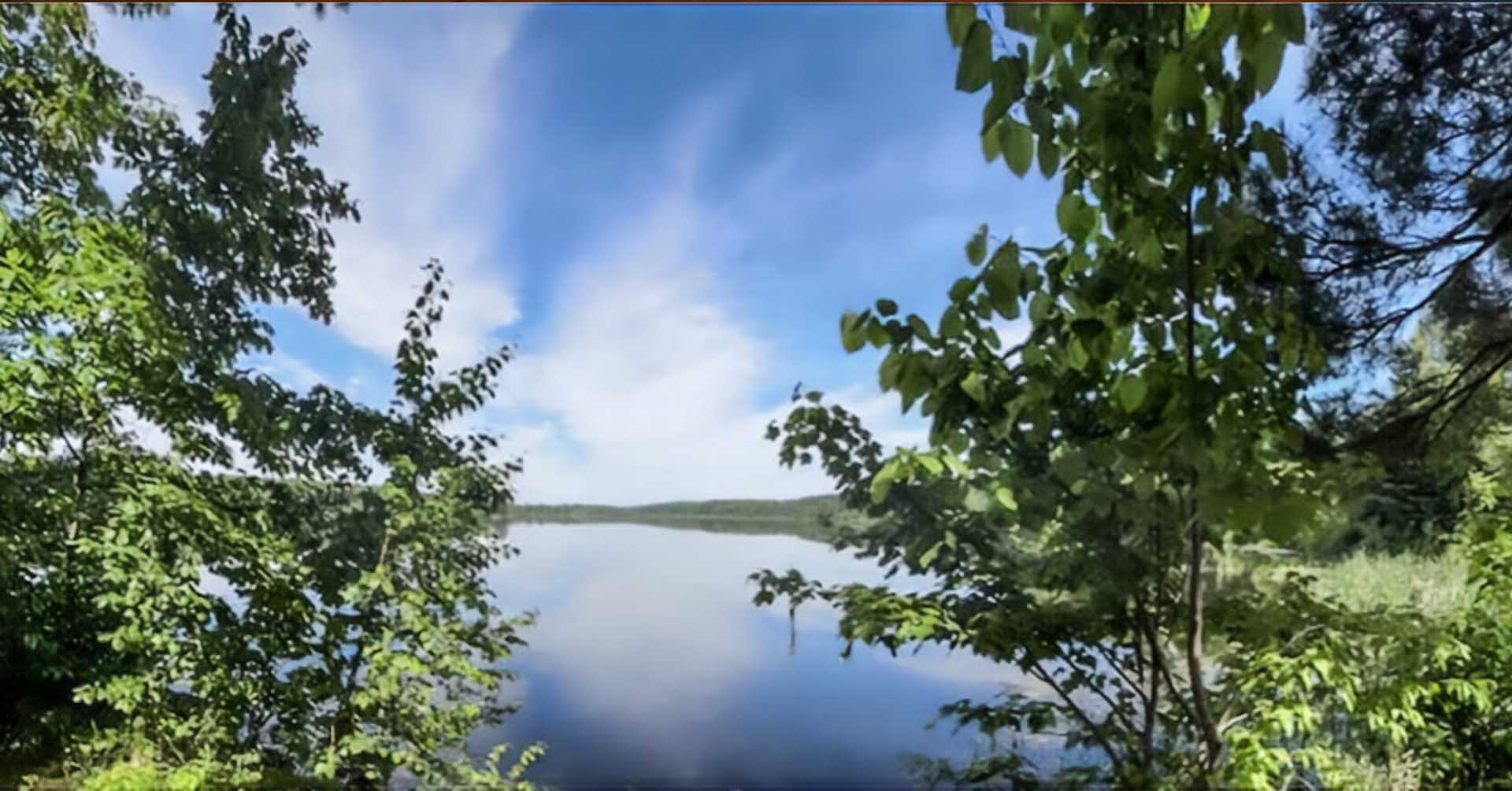
Straight Lake
Board Member Tom Andersen is an enthusiastic birder but doesn’t count his sightings unless he’s captured a photo, and he has been diligently cataloguing photos for Landmark Conservancy over the years.
Tom set a goal of birding as many properties protected by Landmark as he can during 2026. This fall, we are highlighting his visits to Straight Lake State Park and Johnson Preserve.
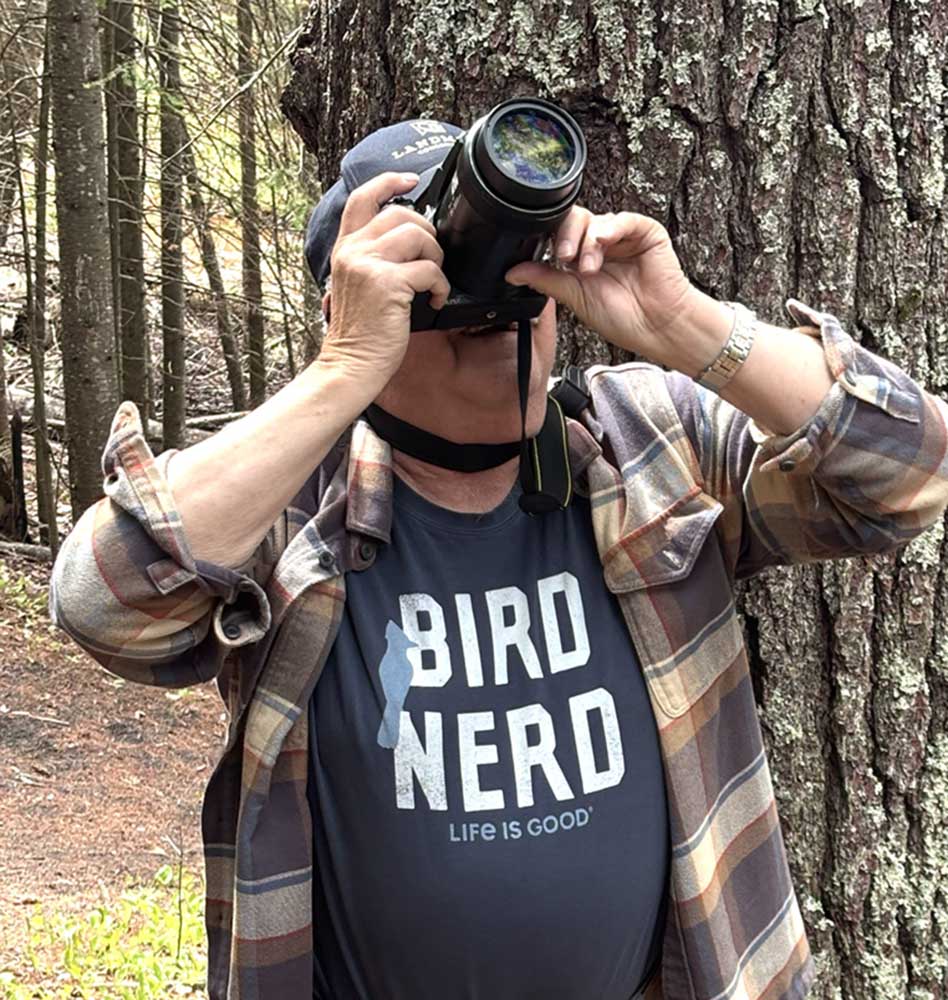
Board Member Tom Andersen.
Click any image in this post to enlarge.
Straight Lake joined the park system in 2005; the land was at risk of development and Landmark Conservancy partnered with the Wisconsin Department of Natural Resources to help purchase it, using funds from the Knowles-Nelson Stewardship Program. Located in northern Polk County, the 2,780-acre park features lake views and impressive glacial features, as well as a premier segment of the Ice Age National Scenic Trail.
Johnson Preserve was permanently protected in 2016 when the landowner partnered with Landmark Conservancy to donate a conservation easement on the property. Deer Lake Conservancy then purchased the property from the landowner in 2017, and they continue to own and manage this public preserve. Located in central Polk County, the trails on this 95-acre property connect with 3 adjacent preserves, totaling over 6 miles.
For me, fall starts September 1st (meteorological fall). It means looking for warblers. Unlike in the spring, I am looking for first fall returning warblers. Identification of these birds can be challenging at times, which makes it even more interesting and fun. It is fascinating to think that some of the warblers passing through may have come from faraway places to the north while some may have been the offspring of the parents that I photographed in Bayfield County.
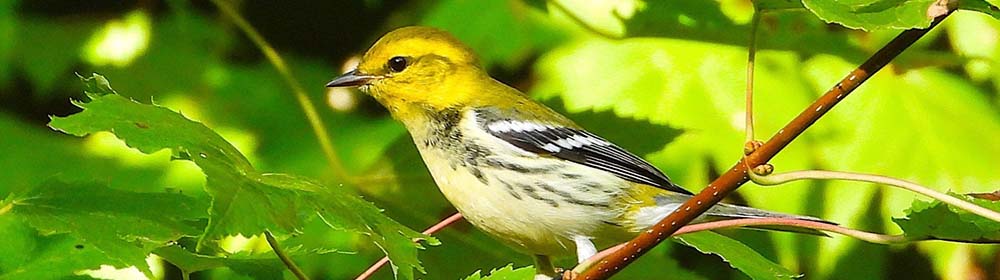
First fall returning Black-throated Green Warbler
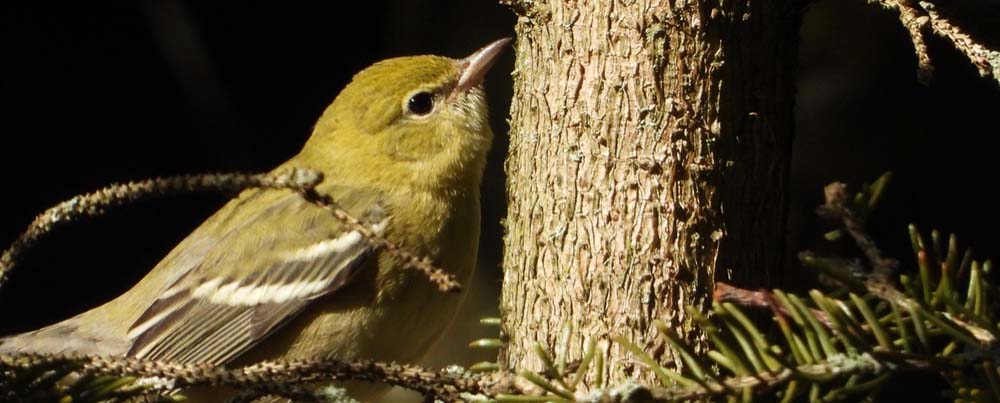
Bay-breasted Warbler
These two young birds are on the journey south for the winter. The Black-throated Green is heading for Central America and likely was fledged in Wisconsin, quite possibly in a property protected by Landmark. The Bay-breasted is probably headed to Costa Rica or Ecuador and would have likely come from Ontario. It’s a long flight from Ontario to Costa Rica.
Straight Lake State Park is an ideal location for hiking and birding. It is a wilderness park free from roads and motorized vehicles. It must be explored on foot (only) making it ideal for birding. Two beautiful lakes are found on the property, and access for a canoe or kayak is carry-in only. Fishing is available in both lakes and Rainbow Lake even has trout (Rainbow trout, of course).
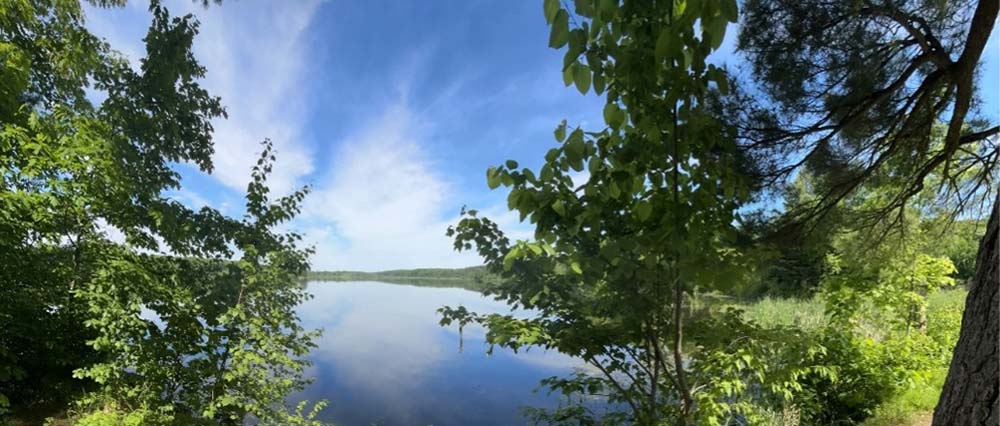
Straight Lake
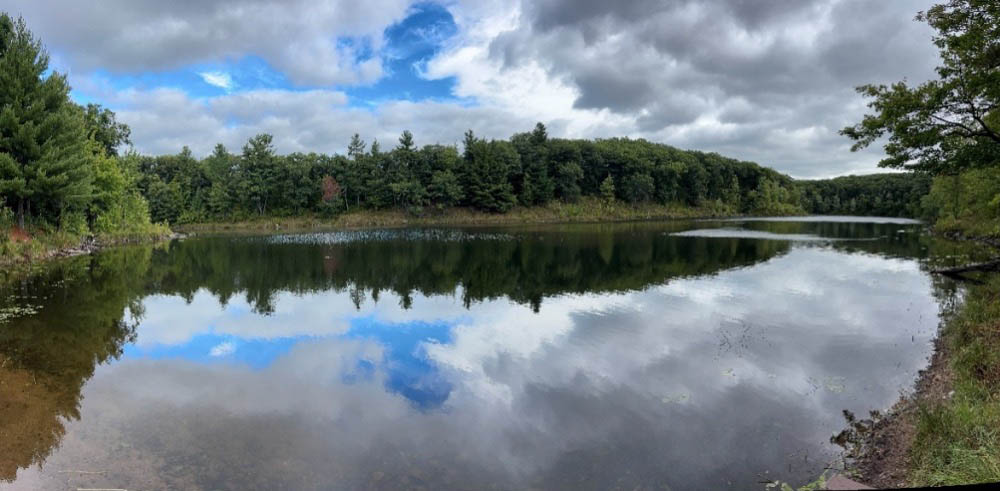
Rainbow Lake
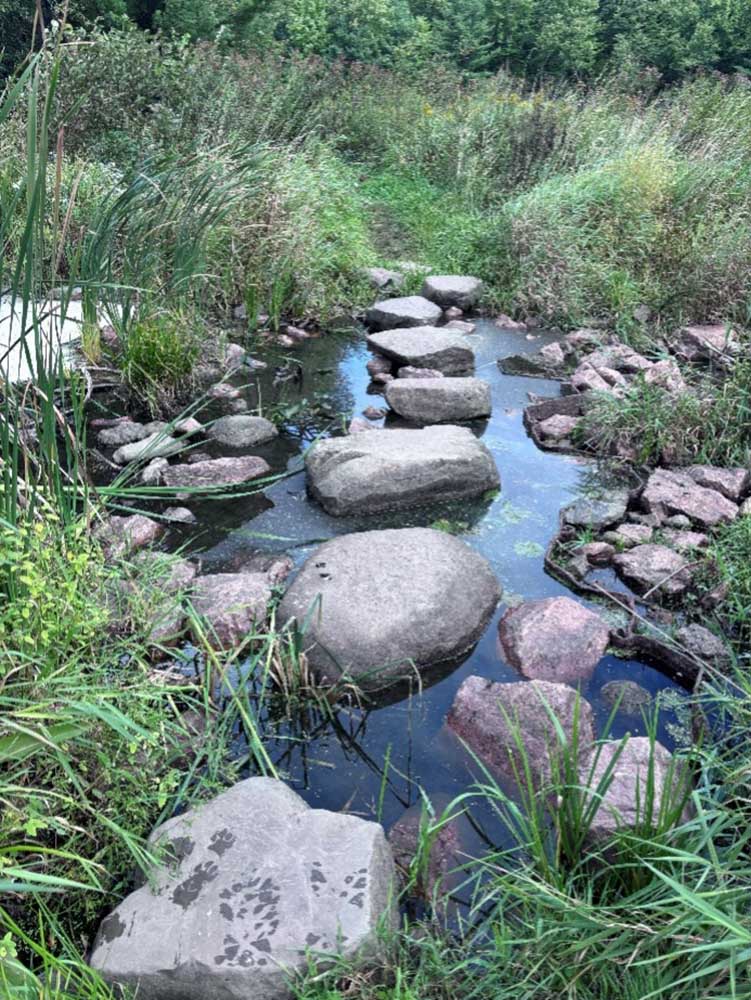
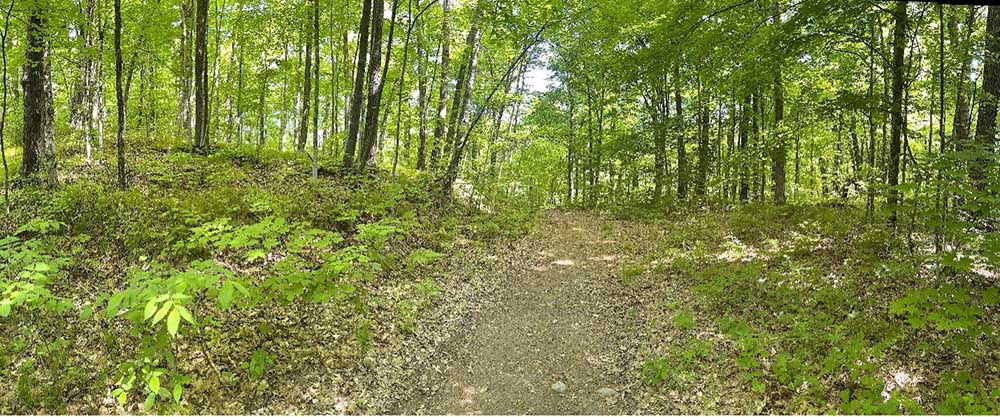
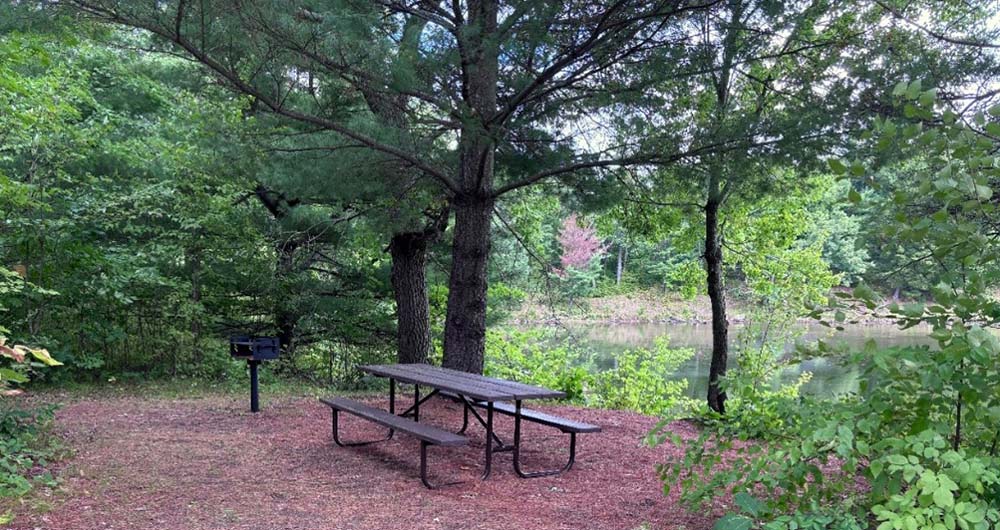
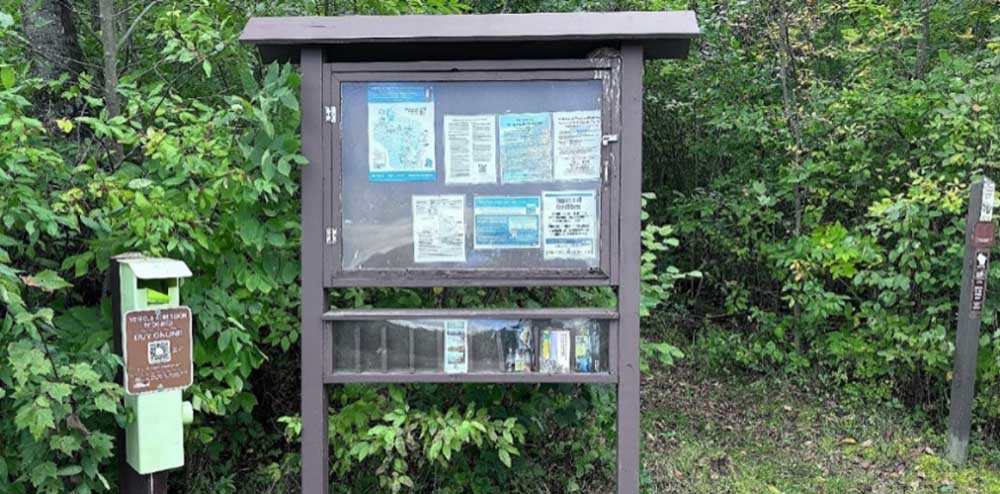
Hiking trails in the park are very well maintained. Access to the Ice Age Trail is at the northwest portion of the park and a great place to start birding.
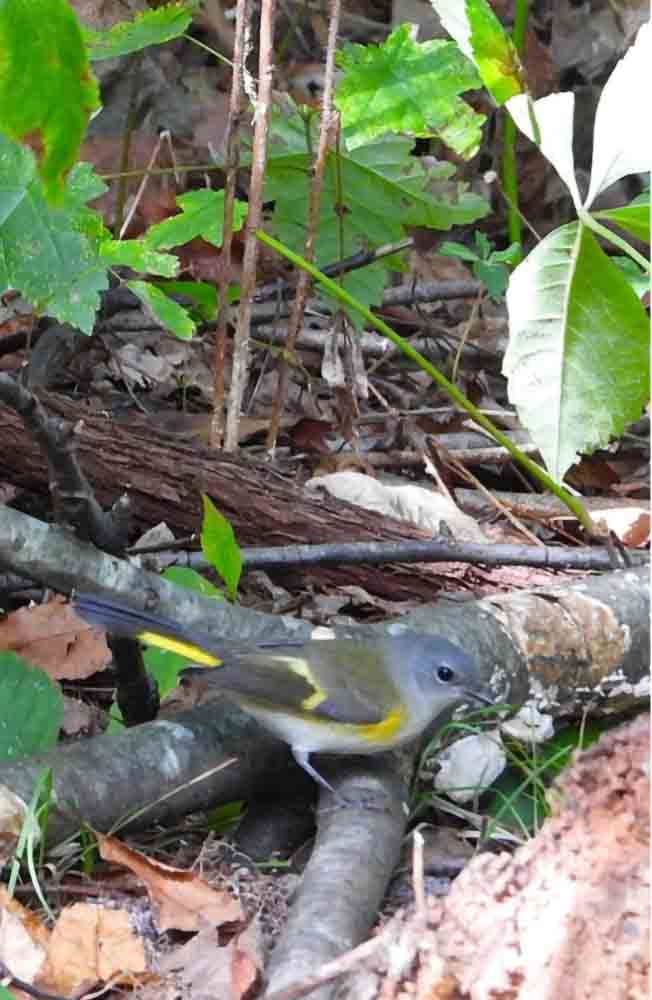
You will likely see the American Redstarts here.
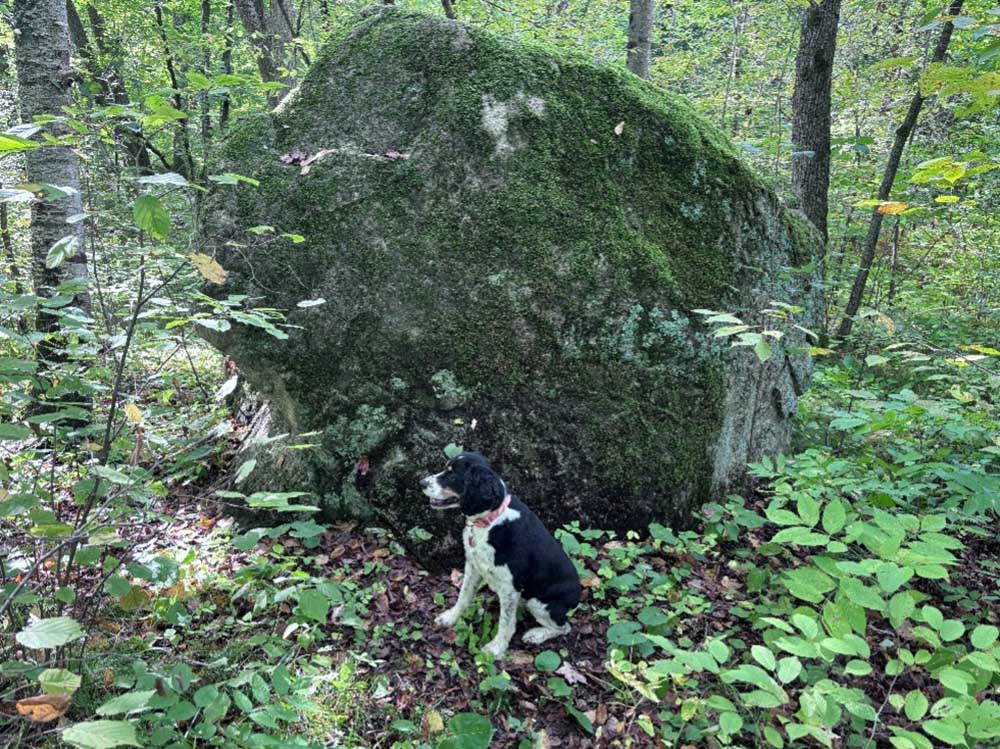
There are many unique geological features at Straight Lake State Park and at this side of the property this giant erratic (the biggest I’ve ever seen) looms over the trail.
A rare treat here might be this beautiful young Magnolia Warbler or better yet, this Philadelphia Vireo (a first for this lad).
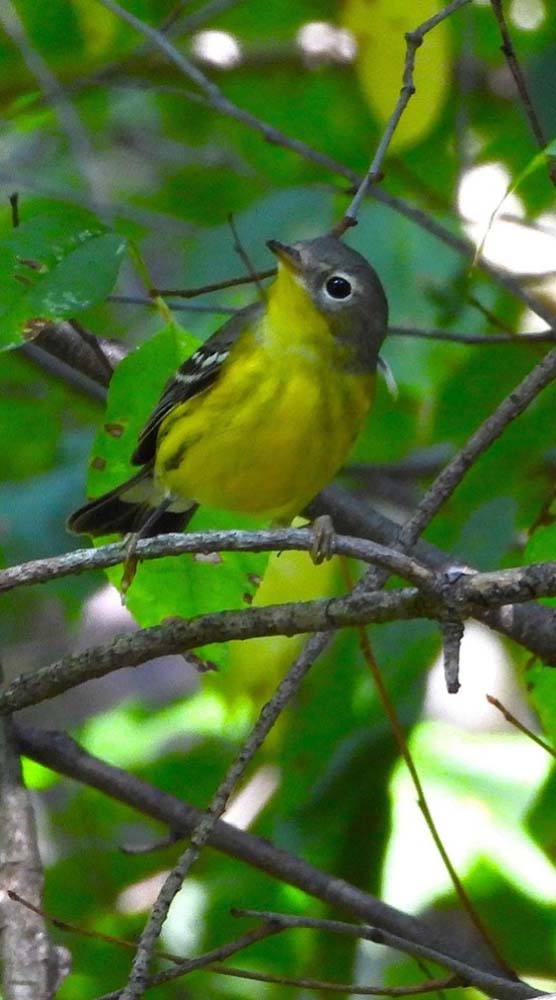
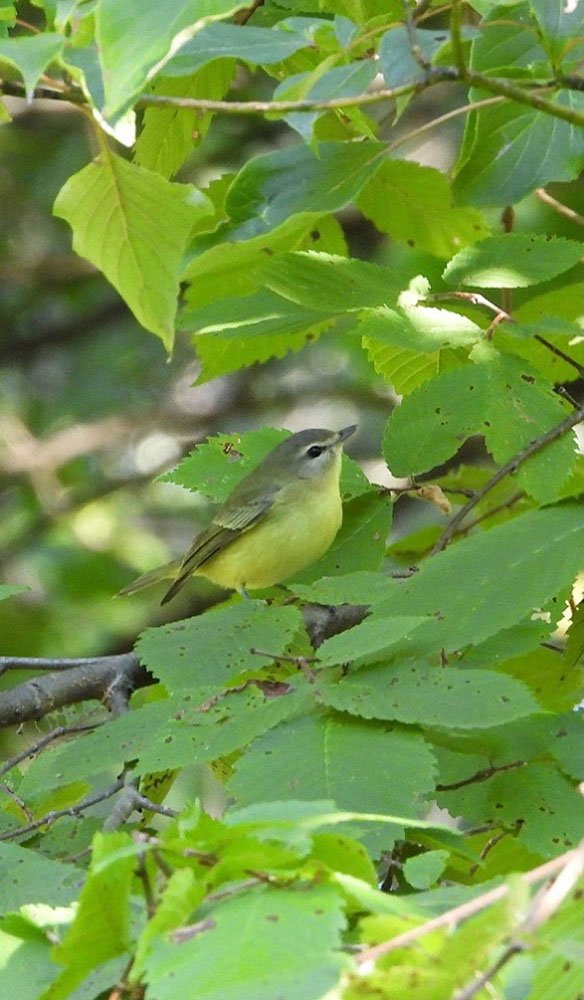
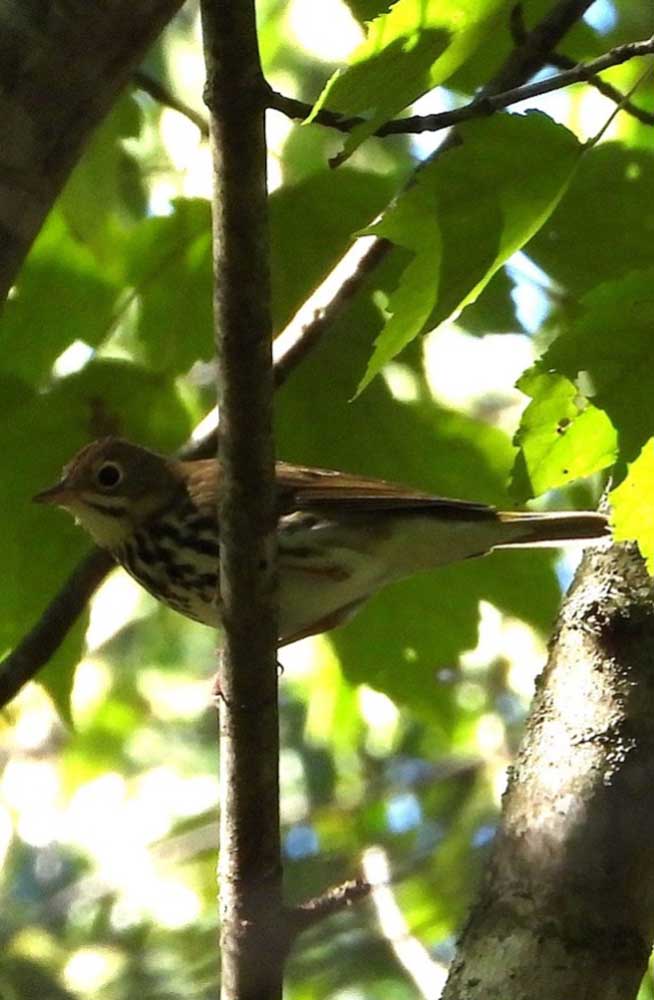
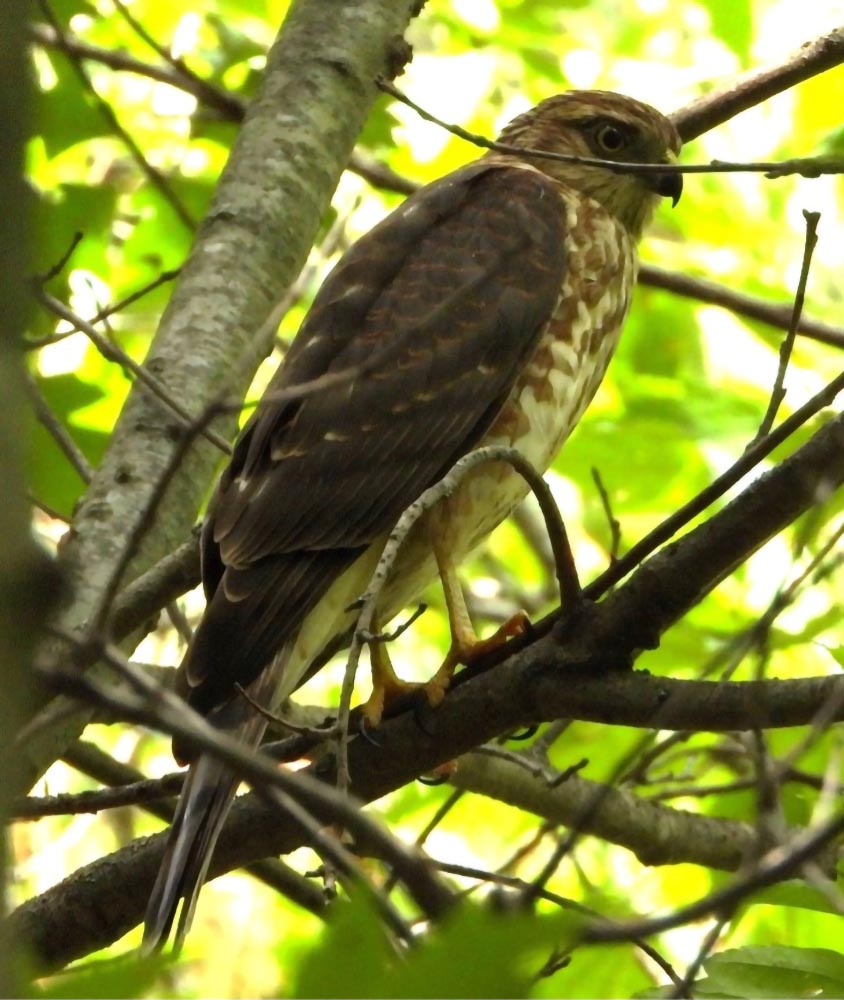
And, of course, you could encounter an Oven Bird, but you can also expect that you are not the only one hunting birds.
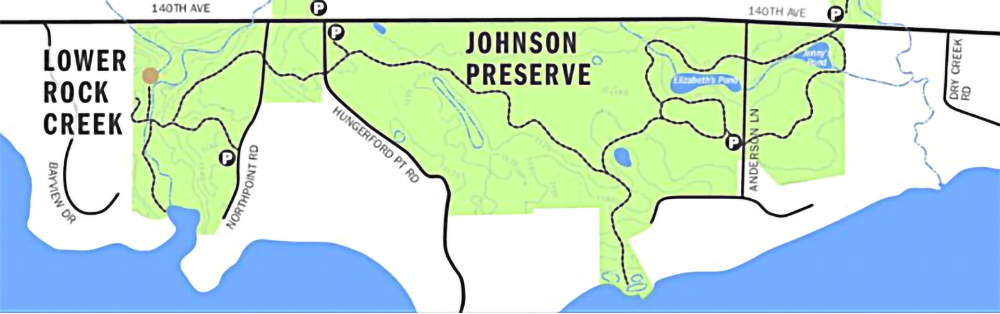
Deer Lake and the 95-acre Johnson Preserve is located just a 30-minute drive south of Straight Lake State Park and is east of St. Croix Falls. You could even visit both in one day! The Preserve is located on the north side of Deer Lake and has parking areas on both the east and west sides.
I found two distinctly different forest types on this property. A large portion of the property on the western side is a hardwood forest, while the smaller eastern portion is a nice mix of white pine and spruce with some open prairie.
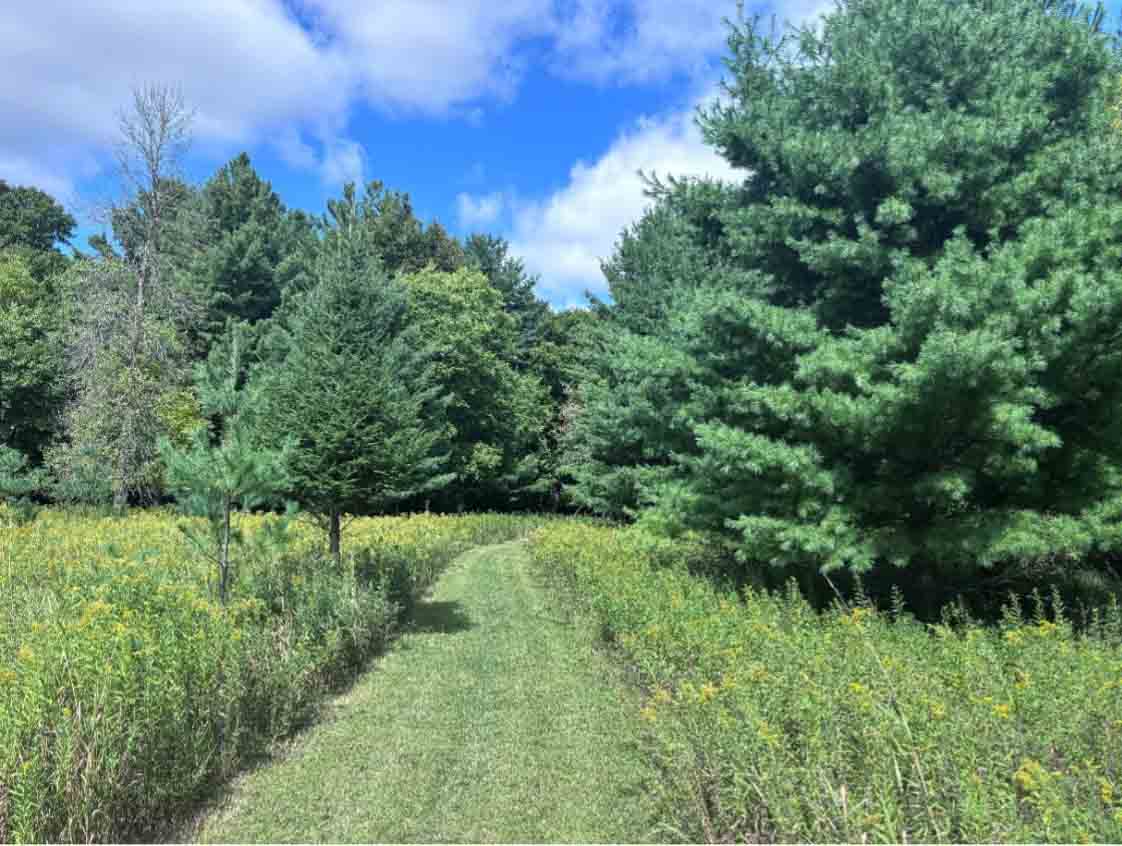
The trails and property at Johnson Preserve are nicely maintained by Deer Lake Conservancy.
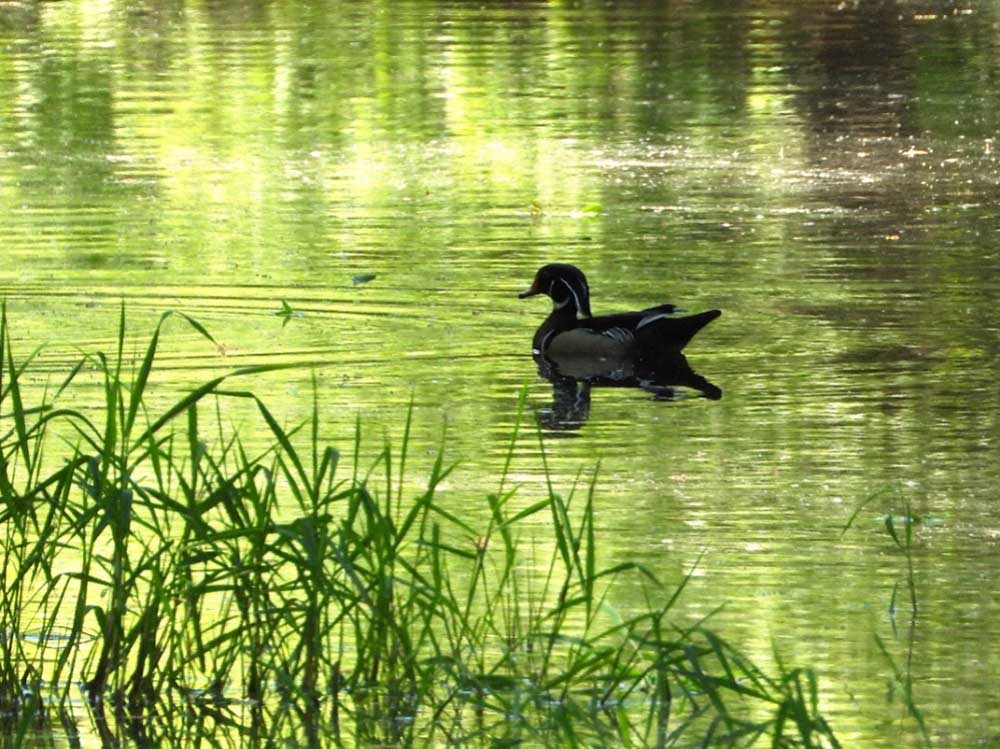
Pay special attention to the small pond just before you park on Anderson Lane.
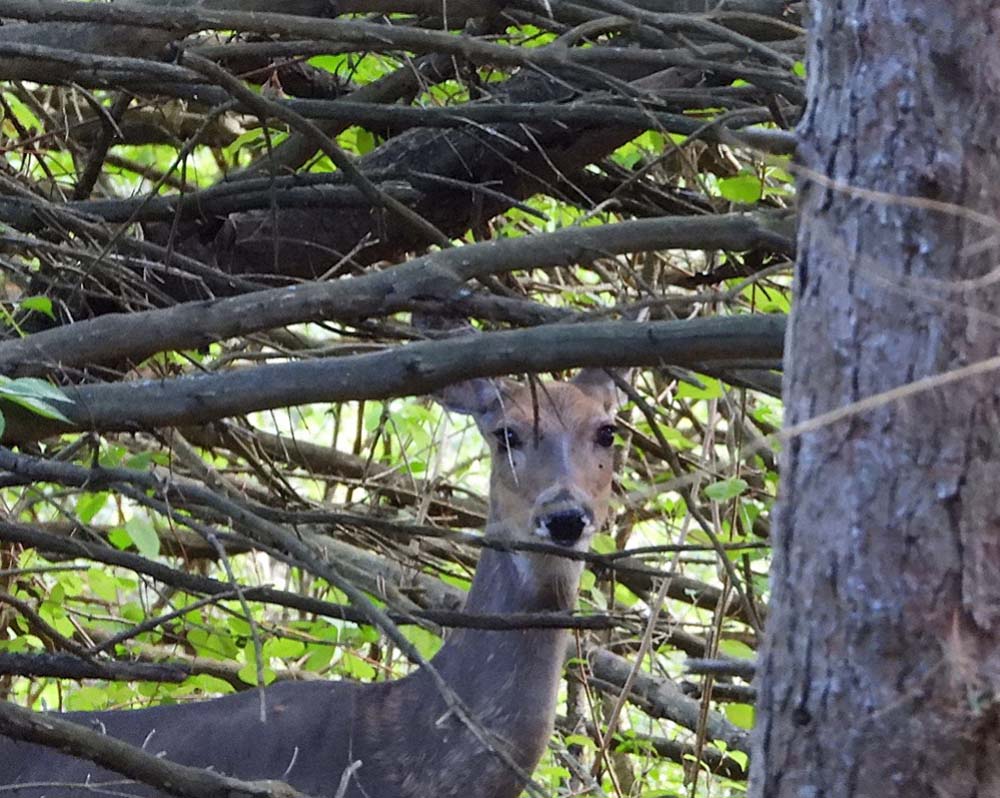
This Johnson Preserve doe and her fawn entertained me for a spell while I patiently waited for birds to pass by.
When I’m trout fishing, I spend 75% of my time looking and 25% fishing; if I do this, I will catch more fish. The same applies to my birding – seventy-five percent looking and 25% hiking.
Watching warblers on the way to their winter grounds is so different than in the spring.
In the fall you may look for an hour and not see anything and then fifty of them will come through foraging for bugs in the trees all around you. And then, as if on cue, they move on. Often groups will be a mix of birds. These three birds were in a group made up of about 90% Tennessee Warblers, 8% Nashville Warblers, and only 2% Chestnut-sided Warblers.
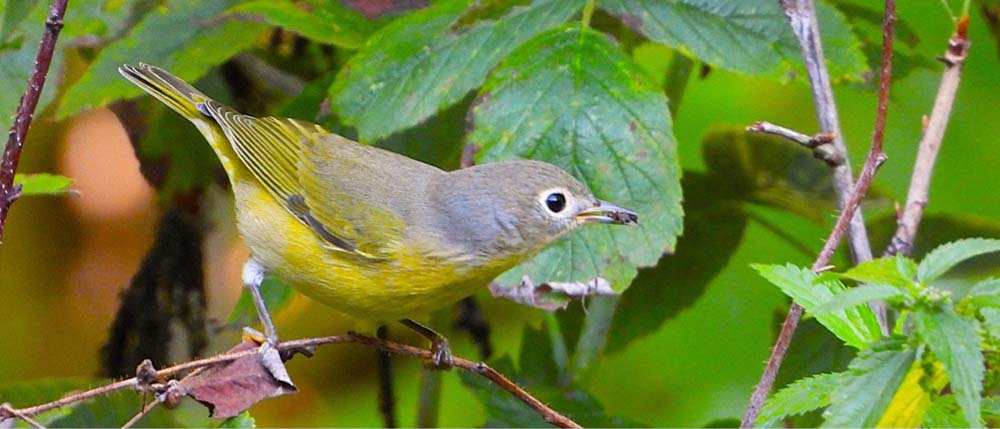
Nashville Warbler
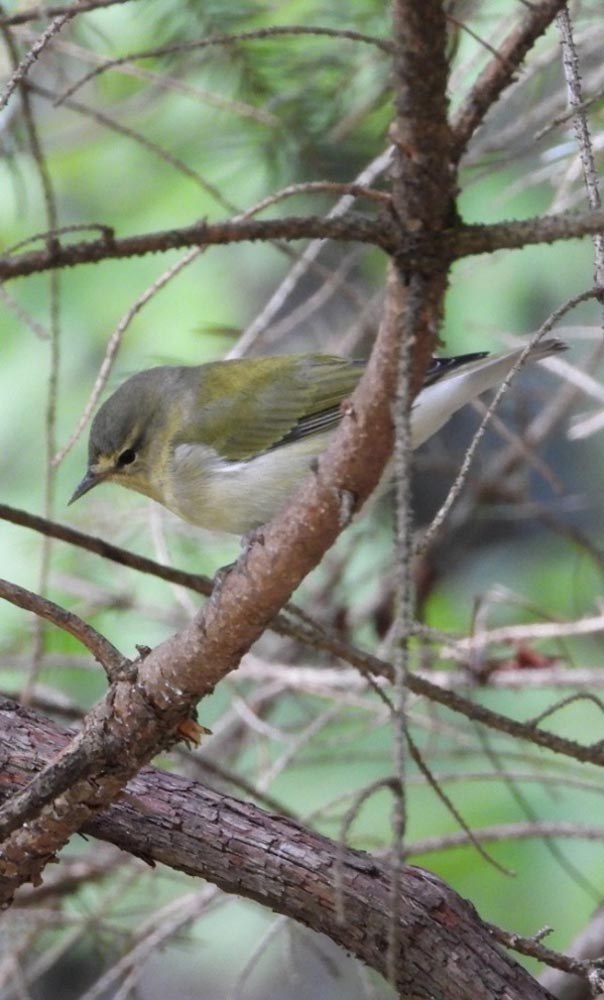
Tennessee Warbler
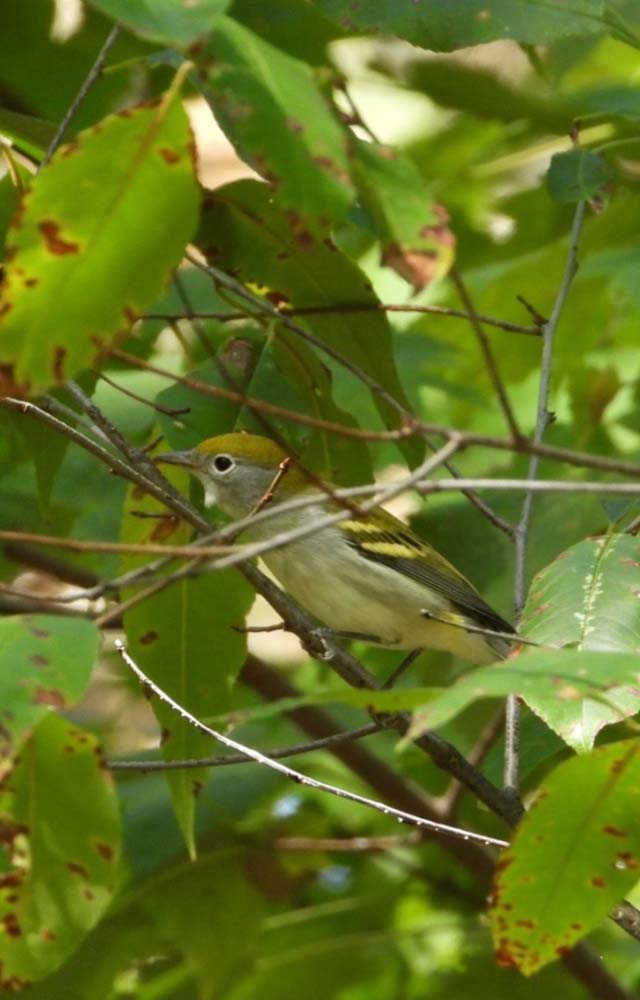
Chestnut-sided Warbler
Link to Tom’s spring and summer posts for more birding adventures! To learn about additional Landmark projects that are open to the public, visit the Get Outside page on our website.